

How Long For Autoflower Seeds to Germinate in Soil?
Autoflower seeds are a great way to begin cultivating cannabis. They are easy-to-germinate and can produce potent buds very quickly.
Germinating autoflower seeds is several steps. Germination is dependent on the soil's conditions the temperature, as well as the moisture.
Soil
Autoflower seeds are the ideal choice for marijuana growers who want to avoid having to handle the plants. They go from vegetative to flowering automatically, without relying on the cycle of light, so it's simple to plant them outdoors throughout the year.
In general, it takes 1-3 days for autoflower seed the seeds to germinate. However, this time frame may vary depending on the type of soil you're growing the seeds in. It is crucial to use a properly prepared soil to facilitate the process since you want to ensure that the seed doesn't get rotten.
Many growers also soak their seeds in water before germinating them to improve the chances of success in germination. This helps to soften the shell and promote moisture in the seed which is a source of energy for cells, and encourages them to break through the shell and push out the tap root.
Place the seeds on a moist paper towel to germinate them. This is a fairly simple process that horticulturists have been using for years, and it's one of the most efficient methods to accelerate the process of germination.
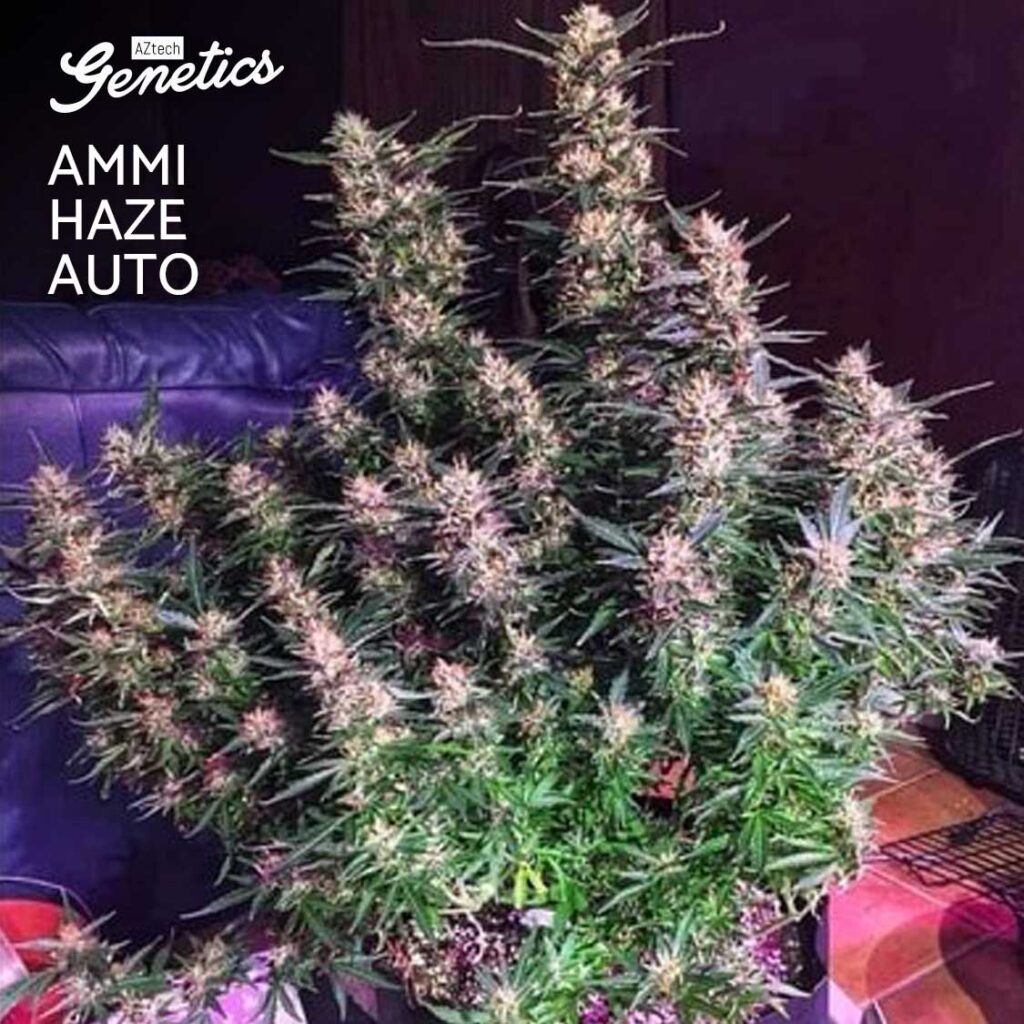
This method will only work when you have an item with an opening that is small and facing upwards, and a bowl filled with clean water. Place your seeds on the paper towels, and then add more water as needed to keep them dry.
In the first few days, you'll see small taproots emerge from the seed. Then, you'll have to transfer the seeds into larger containers to continue the germination process.
You should monitor the growth of the seeds once they have germinated. You should also examine the temperature and humidity of your surroundings to make sure it's the right place for them.
Last but not least, be careful to not overwater them. This can cause them to decay and die. It's also best to stay clear of adding too many nutrients, since they're needed during the germination stage.
Some growers prefer using a germination station that is self-contained and lets you control the conditions necessary for the germination process. These setups are great for novices, as they can be used to start several seeds at the same time. They also allow you to regulate temperature, humidity and light.
Hydroponics
Hydroponics is an alternative growing method that eliminates the need for soil, by using water to deliver nutrients to plants. It is used to cultivate a variety of crops that include leafy vegetables, flowers and model organisms for genetic research.
It's more efficient of agriculture than soil, since it uses less water and can reduce soil erosion. It's also a great choice for urban gardening.
However, it does have several disadvantages it can be challenging to regulate the levels of nutrients in the water, and deficiencies in nutrient levels could cause a decline in plant health. It can be costly especially for those who are new to the field.
There are a variety of hydroponics systems based on your preferences. Some are more complex than others while some are very simple.
A wick system is among the most straightforward. It makes use of an wick to deliver the nutrient solution directly to the roots of plants. This is a good choice for beginners or people who don't have much to invest in equipment.
Another option is an ebb-and-flow system that fills the plants on a regular basis with water, delivering an uninterrupted flow of nutrients. It's not easy to install, and it takes some skill to check the levels of water. However, it can provide plenty of nutrients for a reasonable price.
The final option is an open or closed system that allows excess water to be reused and recirculated. This decreases waste and improves the availability of nutrients.
It's a sustainable farming technique than soil since it uses less water and doesn't require pesticides or chemicals. It's an ideal solution for areas that have limited access to land.
For instance it is the United Nations' Food and Agriculture Organization is assisting to develop hydroponic gardening in areas of the world where farmers cannot cultivate certain crops due to soil quality issues. In these situations, the plants are grown in a fertile environment that allows for the production of more food for more people.
Water conservation is becoming more and more important as the global population continues to grow. Hydroponics can reduce the amount of water that is wasted through evaporation, inefficient irrigation, and soil erosion. It can also save on energy costs.
Seedlings
The time it takes for autoflower seeds to sprout in soil is contingent on a number of factors. First, they must be kept at the correct temperature and humidity. This is essential for the seedlings to grow properly, since it helps them to grow strong roots and produce high-quality buds.
Some growers find it more efficient to start seeds in a germination unit, which has a separate area that allows them to regulate the light and heat to ensure the best growth. This method is suitable for those who are just beginning their journey to learn the basics of seed germination because it's fast and easy to use.
Some cultivators prefer to plant their seeds directly into soil. This will ensure that the seeds get the aeration and aeration they require and will be more resistant to diseases. The only drawback to this method is that the seeds can take a few days to sprout, so it is crucial to ensure an even temperature and humidity throughout.
You can also begin your autoflowering seeds by placing them into a glass of warm water. best autoflower seed bank should be warm (about 22degC) and moist but not saturated. Within a few days, the seeds will begin to sprout and their roots will begin to protrude. When they've reached a certain size, transplant them into pre-prepared pots.
You can also plant autoflower seeds on a damp paper towel with the towel spread out and then covered in a plate or container. Place the paper towel in a warm, dark place such as a cupboard or closet that you will not be opening for a few days.
Some growers also prefer to scarify their seeds prior germination this is the process of breaking the seed coat in order to promote water absorption and nutrients. It's a quick and cheap technique that can assist in helping your autoflower seeds get off to a good start. It is also beneficial to maintain the pH at a higher level than the normal. This can help boost the rate of germination and stop seedlings from getting sick.
Harvest
Autoflower seeds are a convenient way to grow marijuana in conditions where photoperiod varieties aren't able to thrive. They are also immune to mold and pests which makes them a great choice for those who are just beginning to grow.
Many growers are using these seeds feminized to be used for both outdoor and indoor growing. They produce excellent yields and high levels of THC. autoflower seed bank are extremely easy to grow and can be cultivated under any light cycle.
They're also available in diverse variety of strains. Some are Indica dominant and others carry Sativa genetics. autoflowering seeds with high yield prefer a cool climate, while others do best in warmer temperatures.
To begin, you'll need a suitable soil mixture. Typical do-it-yourself mixes include perlite, compost, and peat moss. These ingredients can be combined to create a nutrient-rich potting soil that's nutrient-rich.
Once you've mixed your pot soil, it's time to add your seeds. Keep in mind that your autoflower seeds need time to grow before they're ready for planting outside.
Germination may take a few days or up to several weeks. Some seeds may sprout earlier than others.
The autoflowers will be ready to bloom in around five weeks. You'll be able to tell when the buds begin to grow. The buds also get more dense and darker. The pistils on your buds may also become brown.
You'll need to keep an eye on your autoflowers for any changes. Inspect for yellowing leaves and then remove them if needed. Also, increase your bloom nutrients in accordance with the directions on your fertilizer.
Depending on the cannabis strain you're cultivating, this stage can last between 10 and 12 weeks. At the end of this time your cannabis flowers will be ready to harvest.
If you're cultivating autoflowering cannabis indoors in a environment, you'll need be extra careful to monitor the humidity and temperature. This will allow you to stay clear of conditions that could result in your plants' growth to be slower than you'd like.
When you've determined that your autoflowers are ready to harvest It's time to remove them from their pots for starters and put them in a permanent location. It's important to select the right size pot that's big enough to allow your plants develop and bloom comfortably.